9H Hardness Explained: What It Means for Your Car’s Ceramic Coating in Baton Rouge, LA
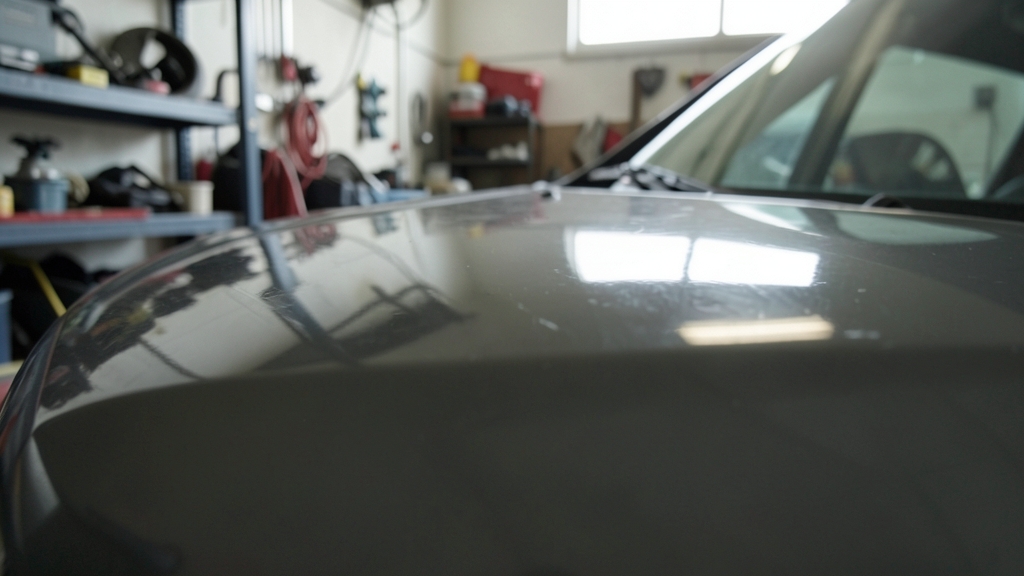
You’ve seen the term 9H hardness tossed around in ceramic coating ads, but what does it actually mean for your car’s finish in Baton Rouge? We break down the science, the limits, and why this rating is just one piece of the protection puzzle. Spoiler: it’s not about indestructibility—it’s about real-world resilience against our harsh sun and road grime.
What Is 9H Hardness in Ceramic Coatings?
The 9H rating comes from the pencil hardness test, a standard method where pencils of varying hardness (from 6B to 9H) are dragged across a surface to see which one leaves a mark. A 9H pencil is among the hardest, meaning the coating resists scratching from most everyday contaminants.
This doesn’t mean your coating is bulletproof. It’s a measure of scratch resistance, not impact or chemical durability. In Baton Rouge, where pollen, dust, and insect splatter are constant, 9H hardness helps your paint stay smoother longer between washes.
9H hardness won’t stop rock chips or door dings. For that, pair your ceramic coating with Paint Protection Film (PPF) for full defense.
Why 9H Matters in Baton Rouge’s Climate
Our Louisiana sun is relentless, and UV rays break down clear coats over time. A 9H-rated ceramic coating adds a sacrificial layer that absorbs and deflects UV damage, keeping your paint from oxidizing or fading prematurely.
Humidity and frequent rain mean water spots and mineral deposits are a real threat. The hydrophobic properties of a 9H coating cause water to bead and roll off, taking contaminants with it and reducing the risk of etching.
9H vs. Other Hardness Ratings: How They Compare
Not all ceramic coatings are created equal. Some entry-level products max out at 7H or 8H, offering basic protection but less durability against abrasives. Premium 9H coatings use denser nano-ceramic polymers for longer-lasting performance.
| Hardness Rating | Scratch Resistance | Typical Lifespan | Best For |
|---|---|---|---|
| 7H | Moderate | 1-2 years | Budget-conscious drivers |
| 8H | Good | 2-3 years | Daily drivers |
| 9H | High | 3-5+ years | Enthusiasts, harsh climates |
| 10H | Very High | 5+ years | Show cars, extreme conditions |
The Limits of 9H Hardness
While 9H coatings resist light scratches from car washes or branches, they’re not invincible. Heavy abrasives like sand or improper washing techniques can still mar the surface. Always use a pH-neutral shampoo and microfiber towels.
Chemical stains from bird droppings, tree sap, or industrial fallout can also etch through if left too long. The coating buys you time to clean it off, but it’s not a substitute for regular maintenance.
Brushes in automatic car washes can introduce swirl marks, even on 9H coatings. Stick to touchless or hand washes to preserve the finish.
How 9H Coatings Work with Other Protective Services
For maximum defense, we often layer services. Paint Correction & Polishing removes existing swirls and imperfections before applying a ceramic coating, ensuring a flawless base. This combo is popular with clients in Zachary and Central who want showroom shine.
In high-impact areas like hoods and bumpers, adding Paint Protection Film (PPF) under the ceramic coating creates an invisible shield against chips and deep scratches. It’s a favorite for fleet vehicles in Denham Springs and Prairieville.
What to Expect During and After Application
A proper 9H ceramic coating application starts with thorough decontamination and Paint Correction if needed. The coating itself is applied in thin, even layers and allowed to cure, forming a covalent bond with the paint.
Curing times vary—some coatings need 24 hours to reach full hardness, while others take up to a week. During this period, avoid washing the car or exposing it to rain. Once cured, the hydrophobic effect is immediate: water beads like magic.
Maintaining Your 9H Ceramic Coating in Louisiana
Even with a 9H coating, regular upkeep is key. Wash your car every two weeks with a ceramic-safe shampoo to prevent buildup. Use a spray sealant or ceramic boost every 6-12 months to refresh the hydrophobic properties.
For wheels and brake calipers—areas prone to brake dust and heat—consider a dedicated Wheel & Brake Caliper Ceramic Coating. This adds extra durability where standard coatings might degrade faster.
Ceramic Coating Maintenance Essentials
- Wash with pH-neutral shampoo biweekly
- Use microfiber wash mitts and towels
- Apply ceramic boost spray every 6-12 months
- Remove bird droppings or sap immediately
- Avoid parking under trees with heavy sap
How to Check if Your Ceramic Coating Is Still Effective
A few simple tests can confirm your 9H coating is still doing its job.
- 1Water Bead Test
Spray water on the surface. If it beads tightly and rolls off, the hydrophobic layer is intact. If water sheets or leaves spots, it’s time for a refresh.
- 2Finger Swipe Test
After washing, run a clean finger across the paint. A well-maintained coating will feel slick and smooth, with minimal drag.
- 3Dust Accumulation Check
Ceramic coatings repel dust. If your car stays cleaner longer between washes, the coating is still active. Excessive dust clinging may signal degradation.
- 4Visual Inspection
Look for swirl marks or hazing under direct sunlight. If the gloss is fading or scratches are visible, the coating may need reapplication or a top-up.
Frequently Asked Questions
Does a 9H ceramic coating make my car scratch-proof?
No. 9H hardness means high scratch resistance, but it’s not scratch-proof. Heavy abrasives, improper washing, or deliberate vandalism can still damage the surface. For scratch-proof protection, consider Paint Protection Film (PPF).
How long does a 9H ceramic coating last in Baton Rouge’s climate?
With proper maintenance, a professional-grade 9H coating typically lasts 3-5 years or more. Our intense UV exposure and humidity can shorten this slightly, so regular washing and ceramic boosts help extend its life.
Can I apply a 9H ceramic coating myself?
While DIY kits exist, professional application ensures even coverage, proper curing, and longevity. Mistakes in prep or application can lead to streaks, peeling, or reduced durability. We recommend leaving it to experts, especially for high-end vehicles.
Will a 9H coating prevent water spots in Baton Rouge?
It significantly reduces them. The hydrophobic properties cause water to bead and roll off, minimizing mineral deposits. However, in extreme cases (like after a heavy rainstorm with high mineral content), some spotting may still occur if not washed promptly.
Is 9H the highest hardness rating for ceramic coatings?
9H is among the highest commonly available, but some premium coatings claim 10H or higher. The difference in real-world protection is marginal for most drivers. Focus on the quality of the product and application over the hardness number alone.
Do you offer 9H ceramic coatings for vehicles in Baker or Zachary?
Absolutely. We serve Baton Rouge and surrounding areas, including Baker, Zachary, Central, Denham Springs, and Prairieville. Our mobile team can even handle applications at your home or office for convenience.