Can Ceramic Coating Toppers Extend Your Protection? The Truth for Baton Rouge Drivers in Ceramic Coating Baton Rouge, LA
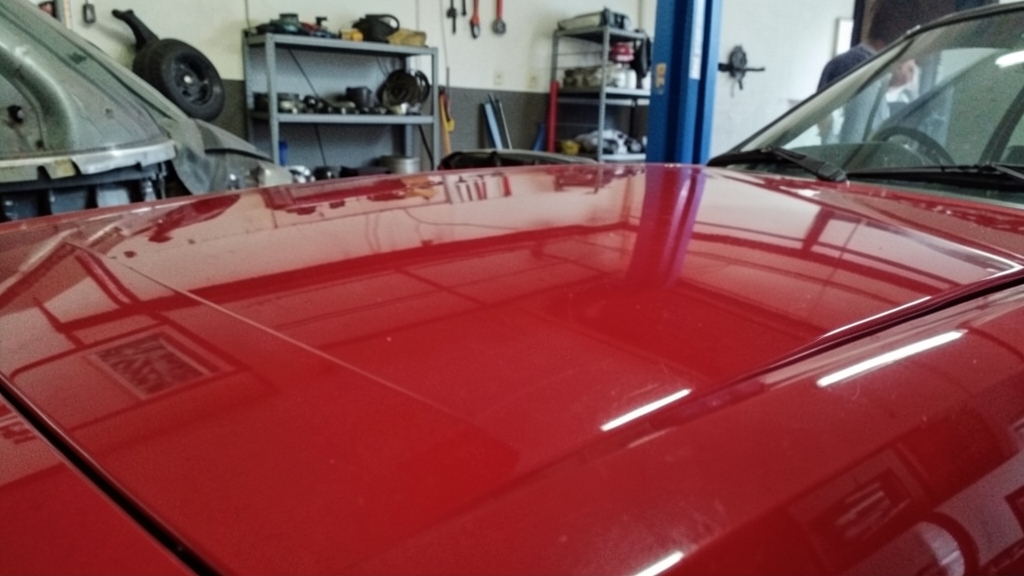
Ceramic coating toppers promise to stretch your paint’s shield further, but do they deliver? In our humid, sun-baked Louisiana climate, the right layers can mean the difference between a showroom shine and premature fading. We break down the science, the limits, and how to decide if toppers are worth it for your ride.
What Are Ceramic Coating Toppers, Anyway?
Toppers are additional layers of ceramic coating applied over a base coat to enhance durability, gloss, or hydrophobic performance. Think of them like a clear topcoat in traditional paint—except these are nano-ceramic.
They’re not a standalone product. Toppers bond chemically to the existing ceramic layer, reinforcing its structure. Without a solid base coat, a topper won’t adhere properly or last long.
How Toppers Work with Your Existing Ceramic Coating
The base ceramic coating creates a cross-linked SiO2 or graphene matrix on your paint. Toppers introduce fresh nano-particles that fill microscopic gaps, restoring hydrophobicity and gloss as the base coat ages.
In Baton Rouge’s intense UV and humidity, this extra density slows oxidation and water spotting. It’s like reapplying sunscreen—it doesn’t replace the original protection but keeps it effective longer.
Always perform a light paint correction before applying a topper. Even minor swirls or contamination will be locked in otherwise.
Do Toppers Actually Extend Longevity?
Yes—but with caveats. A quality topper can add 12–24 months of enhanced protection to a well-maintained base coat. It won’t double the life of a 5-year ceramic, but it can bridge the gap between full reapplication.
The catch? Toppers degrade faster than the base. In our area, pollen, bug splatter, and road grime accelerate wear. Plan on reapplying toppers every 1–2 years for peak performance.
Toppers vs. Reapplying a Full Ceramic Coating
Cost and effort are the biggest differences. A full reapplication requires paint correction, multiple layers, and curing time. Toppers skip the prep, making them a faster, more affordable refresh.
| Factor | Ceramic Topper | Full Reapplication |
|---|---|---|
| Time Required | 1–2 hours | 1–3 days (including prep) |
| Paint Correction Needed | Minimal (light polish) | Full correction recommended |
| Durability Boost | 12–24 months | 3–5+ years |
| Cost Factors | Product + labor (less intensive) | Product, labor, prep work |
| Hydrophobicity Restoration | High | Very High |
| UV/Contaminant Resistance | Moderate | Full |
When Toppers Make Sense (and When They Don’t)
Toppers are ideal for vehicles with a healthy base coat showing early signs of water spotting or reduced beading. They’re also great for fleet vehicles in Baker or Denham Springs that need frequent, cost-effective upkeep.
Skip toppers if your base coat is failing—peeling, heavy oxidation, or etches mean it’s time for a full strip and reapplication. The same goes for heavily corrected paint; toppers won’t fix underlying issues.
Applying a topper over a contaminated surface (e.g., iron particles or old wax) will trap defects and shorten its lifespan. Always decontaminate first.
Baton Rouge Climate: Why Toppers Can Be a Game-Changer
Our summers bring UV indexes that accelerate paint oxidation, while winter humidity fosters water spotting. Toppers add a sacrificial layer that takes the brunt of these elements, preserving the base coat.
For drivers in Zachary or Central, where dust and pollen are constant, toppers make cleaning easier. Their enhanced hydrophobic properties help sheets of rain rinse off grime before it bonds.
How to Maintain Your Coating (With or Without Toppers)
Regular washing with a pH-neutral shampoo is non-negotiable. Avoid automatic car washes with harsh brushes—they’ll strip toppers and base coats alike.
Every 3–6 months, use a ceramic-boosting spray sealant to refresh hydrophobicity. For wheels and brake calipers, a dedicated ceramic coating can prevent brake dust from embedding in the finish.
Ceramic Coating Maintenance Essentials
- Wash weekly with a microfiber mitt and ceramic-safe soap
- Dry with a clean microfiber towel to prevent water spotting
- Apply a ceramic spray sealant every 3–6 months
- Decontaminate with iron remover and clay bar as needed
- Avoid wax or silicone-based products (they interfere with bonding)
Pairing Toppers with Other Protective Services
For maximum defense, combine toppers with Paint Protection Film (PPF) on high-impact areas like the hood and bumper. PPF handles rock chips; toppers keep the rest of the paint pristine.
Ceramic window tint and interior ceramic protection are smart add-ons for Prairieville or Denham Springs drivers. They reduce heat, UV damage, and make cabin surfaces easier to clean.
How to Apply a Ceramic Coating Topper Like a Pro
While we always recommend professional application for best results, here’s what the process entails if you’re DIY-inclined.
- 1Prep the Surface
Wash the vehicle thoroughly, then decontaminate with a clay bar and iron remover. Dry completely with a microfiber towel.
- 2Light Paint Correction (If Needed)
Use a fine polish to remove minor swirls or oxidation. Skip this if the base coat is in good shape.
- 3Apply the Topper
Work in small sections, using an applicator pad to spread the topper in thin, even layers. Avoid applying in direct sunlight.
- 4Buff and Cure
After 5–10 minutes, buff the surface with a clean microfiber towel to remove excess. Allow 12–24 hours for full curing before exposing to water.
- 5Post-Application Care
Avoid washing or driving in rain for at least 24 hours. Use a ceramic-safe shampoo for the first wash.
Frequently Asked Questions
How often should I reapply a ceramic coating topper in Baton Rouge?
For most drivers, every 12–18 months is ideal to combat our climate’s UV and humidity. If you park outside daily or drive frequently in areas like Zachary with heavy pollen, aim for every 12 months.
Can I apply a topper over any ceramic coating brand?
Not always. Some toppers are formulated for specific base coats (e.g., graphene-based systems). Mixing incompatible chemistries can cause delamination. Always check compatibility or consult a professional.
Will a topper fix my faded or oxidized paint?
No. Toppers enhance and refresh existing protection but won’t reverse paint damage. For oxidation or fading, you’ll need paint correction or a full coating reapplication.
Are toppers worth it for older vehicles in Ceramic Coating Baton Rouge?
If your vehicle has a healthy base coat and you plan to keep it for years, toppers can extend protection cost-effectively. For older paint with heavy wear, invest in a full coating or PPF instead.
Do toppers work on matte or satin finishes?
Yes, but use a topper specifically designed for matte/satin coatings. Regular toppers can add unwanted gloss or alter the finish’s appearance.
How do I know if my ceramic coating needs a topper or a full reapplication?
If water no longer beads uniformly or the paint feels rough, a topper may suffice. If you see peeling, heavy staining, or the coating fails the ‘tape test’ (peels off with adhesive), it’s time for a full reapplication.