Ceramic Coating Baton Rouge: How to Avoid Costly Installer Mistakes
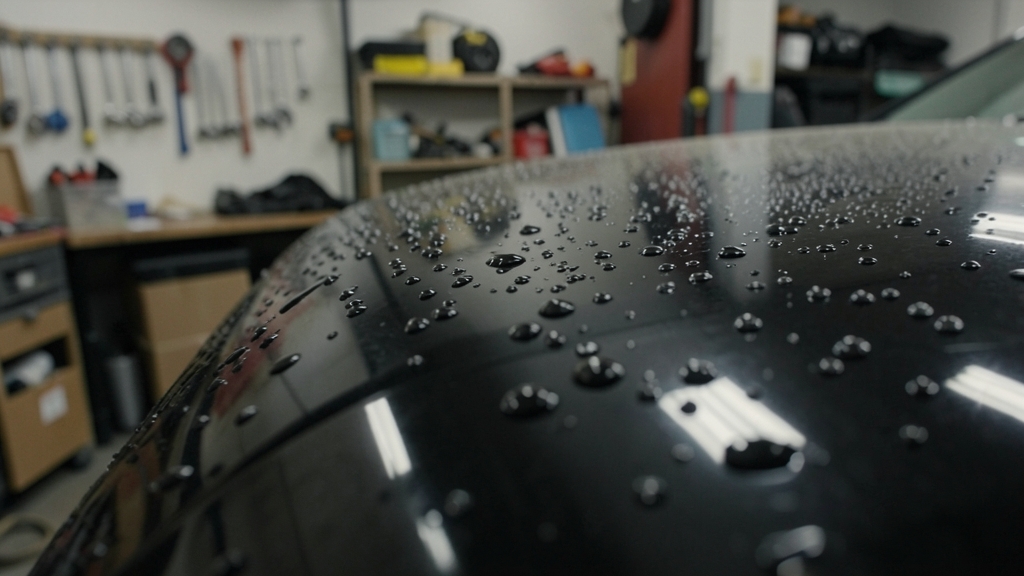
A ceramic coating is only as good as the hands that apply it. In our humid Louisiana climate, even small installer mistakes can ruin durability and appearance. We’ve seen what separates lasting protection from a wasted investment—here’s how to spot the red flags before it’s too late.
Why Baton Rouge’s Climate Demands Precision
Our high humidity and intense UV exposure accelerate paint damage. A poorly applied coating won’t bond properly, leaving your finish vulnerable to oxidation and water spots.
Summer heat can also cause improperly cured coatings to haze or streak. That’s why controlled indoor application and strict curing protocols are non-negotiable here.
The Most Common (and Costly) Installer Mistakes
Skipping paint correction is the top offense. Ceramic coatings amplify imperfections—swirls, scratches, and orange peel become permanent under the glass-like finish.
Rushing prep is another killer. If the surface isn’t stripped of all waxes, sealants, or oils with an IPA wipe-down, the coating won’t adhere. We’ve seen delamination in weeks because of this.
Any installer promising a ceramic coating without dedicated paint correction or multi-stage prep is cutting corners. Walk away.
How to Vet a Ceramic Coating Installer in Louisiana
Ask for proof of training from reputable brands like Gtechniq, Ceramic Pro, or CarPro. Certifications mean they understand flash times, layering, and environmental controls.
Insist on seeing their prep process. Proper decontamination includes iron removal, clay bar treatment, and a paint thickness gauge to avoid over-polishing thin factory clear coat.
Non-Negotiable Installer Qualifications
- Certified by a major ceramic coating brand
- Uses a paint thickness gauge before correction
- Performs multi-stage polishing for defect removal
- Applies in a dust-controlled, climate-stable environment
Ceramic Coating vs. Wax vs. Sealant: The Real Differences
Unlike wax or sealant, a true ceramic coating forms a permanent chemical bond with your paint. It won’t wash off or degrade in months—it lasts years with proper care.
Wax offers temporary hydrophobicity and gloss but zero UV protection. Sealants last longer than wax but still lack the hardness and durability of a nano-ceramic layer.
| Product | Durability | UV Resistance | Hydrophobicity | Scratch Resistance |
|---|---|---|---|---|
| Carnauba Wax | 1-3 months | Low | Moderate | None |
| Synthetic Sealant | 6-12 months | Moderate | High | Low |
| Professional Ceramic Coating | 2-5+ years | Very High | Very High | Moderate (with PPF for best results) |
Prep Work: The 80% of the Job You Don’t See
True prep starts with a thorough wash using pH-neutral soap to remove contaminants without adding swirls. Then comes decontamination with iron remover and a clay bar to pull embedded particles.
Paint correction follows, using a dual-action polisher and fine abrasives to eliminate defects. High-spot analysis under specialized lighting ensures no imperfections remain before coating.
A reputable installer will measure paint thickness before and after correction. This proves they didn’t remove too much clear coat—a critical safeguard for resale value.
Application Mistakes That Ruin Longevity
Applying too much product causes streaking and uneven curing. The coating should be applied in thin, even layers using high-quality microfiber applicators.
Improper flash times—letting the coating sit too long or not long enough before buffing—lead to poor bonding. Humidity and temperature must be controlled; our Louisiana summers make this especially tricky.
Post-Installation Care: What Not to Do
Avoid washing your car for at least 7 days post-application. Even a light rainstorm can compromise the curing process if the coating hasn’t fully bonded.
Use only pH-neutral car shampoos and avoid automatic car washes with harsh brushes. A ceramic coating isn’t invincible—it still needs gentle maintenance to reach its full lifespan.
When to Consider Additional Protection
For full coverage, pair your ceramic coating with paint protection film on high-impact areas like the hood, bumper, and fenders. This combo defends against rock chips and deep scratches.
Ceramic window tint reduces heat and UV rays, while wheel and brake caliper coatings prevent brake dust from bonding. Interior ceramic protection keeps leather and plastics looking new in our harsh sun.
We also provide expert ceramic coating services in Baker, Zachary, Central, Denham Springs, and Prairieville. The same standards apply—no shortcuts, ever.
How to Inspect a Ceramic Coating Job Before Driving Away
A final walk-around can save you from a botched installation.
- 1Check for High Spots or Streaks
Run your fingers lightly over the surface under bright light. Any texture or unevenness means improper leveling.
- 2Test Water Behavior
Spritz water on the paint. It should bead tightly and sheet off cleanly. Poor beading indicates weak bonding or contamination.
- 3Inspect for Haze or Cloudiness
View the car from different angles in sunlight. Hazy areas suggest incomplete curing or residual polish compounds.
- 4Verify All Areas Were Coated
Open doors, the hood, and trunk. Ensure edges, jams, and hard-to-reach spots weren’t skipped—common in rushed jobs.
- 5Request a Curing Guide
Ask for written aftercare instructions, including when you can wash the car and what products to avoid.
Frequently Asked Questions
How long does a professional ceramic coating last in Baton Rouge’s climate?
With proper prep and maintenance, a high-quality ceramic coating typically lasts 2 to 5 years here. Our humidity and UV exposure can shorten lifespan if the car isn’t cared for, so regular washing and annual inspections help maximize durability.
Can a ceramic coating be applied over existing scratches or swirl marks?
No. Ceramic coatings are not fillers—they magnify existing imperfections. Paint correction must be performed first to remove defects; otherwise, they’ll be permanently visible under the coating’s glossy finish.
Why do some installers in Ceramic Coating Baton Rouge charge more than others?
Cost varies based on the coating’s quality (consumer-grade vs. professional-grade), the extent of paint correction needed, vehicle size, and the installer’s experience. Multi-layer coatings and added services like PPF or interior protection also increase the investment. Request a quote for an accurate estimate.
Is ceramic coating worth it for daily drivers in Louisiana?
Absolutely. Daily drivers face the most wear from sun, bugs, and road grime. A ceramic coating simplifies cleaning, resists staining, and protects against UV fading—ideal for our climate. It’s a smart long-term investment for preserving resale value.
What voids a ceramic coating warranty?
Most warranties are voided by improper washing (e.g., automatic car washes with brushes), using harsh chemicals, or neglecting maintenance. Some also require annual inspections. Always follow the installer’s aftercare guidelines to keep your warranty valid.
Can ceramic coating be removed if I’m not happy with the results?
Yes, but it’s labor-intensive. The coating must be polished off, which requires skill to avoid damaging the underlying paint. This is why choosing the right installer from the start is critical—removal and reapplication can be costly.