Ceramic Coating Baton Rouge: The Truth About Prep Work and Paint Correction
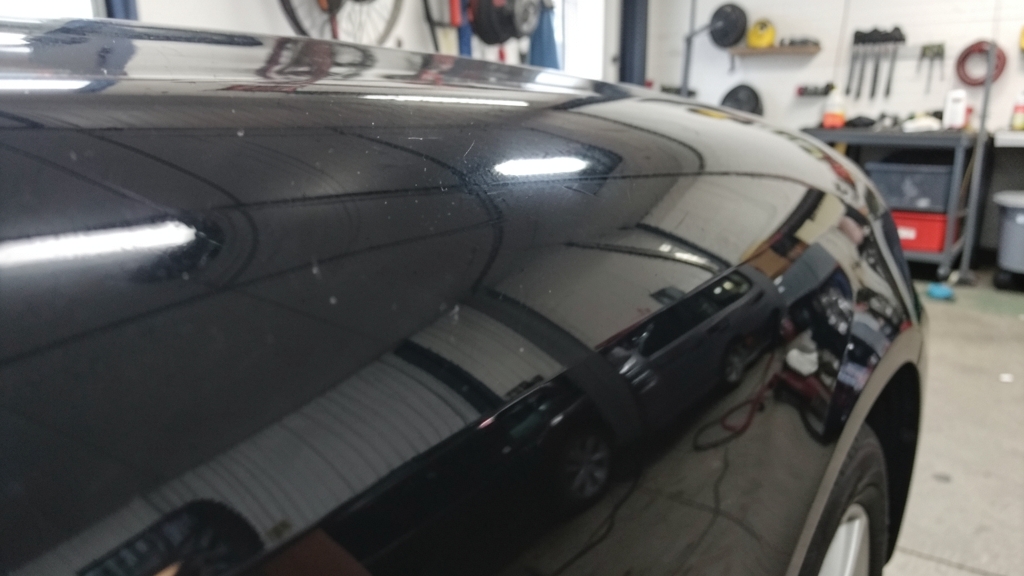
We’ve seen too many vehicles in Baton Rouge arrive for ceramic coating with swirls, oxidation, or water spots baked into the paint. The hard truth? No coating can hide poor prep. Proper paint correction isn’t just a step—it’s the foundation of a lasting, showroom-quality finish.
Why Prep Work Makes or Breaks Your Ceramic Coating
Ceramic coatings bond chemically to your clear coat. If the surface isn’t perfect, those imperfections get locked in forever. Swirls, scratches, and etching won’t disappear under the coating—they’ll just look glossier.
In our humid Louisiana climate, contaminants like mineral deposits and tree sap etch into paint faster than in drier regions. Skipping correction means your coating protects damage, not your paint.
Applying ceramic coating over unclean or damaged paint voids warranties and wastes your investment. Always correct first.
The Paint Correction Process: What Actually Happens
We start with a thorough wash and decontamination using a clay bar to remove embedded grit. This step is critical—even invisible particles can cause micro-scratches during polishing.
Next, we measure paint thickness with a gauge to ensure we don’t over-polish. Thin clear coat is common on older vehicles, especially those exposed to Baton Rouge’s intense sun.
Polishing comes in stages, from heavy cut compounds to fine finishing polishes. Each step removes deeper defects while restoring clarity and depth to the paint.
Ceramic Coating vs. Paint Protection Film: Prep Differences
Both require meticulous prep, but PPF demands even more precision. Paint Protection Film adheres directly to the surface, so any imperfection will show through the film.
Ceramic coatings are more forgiving in application but still need a flawless base. For vehicles in Baker or Zachary, where road debris is common, PPF on high-impact areas paired with ceramic coating elsewhere offers the best protection.
| Aspect | Ceramic Coating | Paint Protection Film |
|---|---|---|
| Surface Cleanliness | Must be contaminant-free | Must be contaminant-free + static-free |
| Paint Correction | Required for optimal results | Mandatory (defects show through film) |
| Drying Time | 24-48 hours before coating | Immediate (film applied wet) |
| Post-Install Care | Avoid water for 7-14 days | Avoid water for 5-7 days |
Common Paint Issues We Fix Before Coating in Baton Rouge
Oxidation is rampant here due to UV exposure and humidity. It dulls paint and must be polished out before coating. Water spots, another local nuisance, often require wet-sanding for full removal.
Swirl marks from automatic car washes are everywhere in Denham Springs and Prairieville. These require compounding and polishing to eliminate. Bird droppings and bug splatter etch into paint quickly in our heat—another reason to correct before coating.
Paint Defects to Address Before Coating
- Swirl marks and light scratches
- Oxidation and fading
- Water spots and mineral deposits
- Etching from bird droppings or bug splatter
- Holograms from improper polishing
The Role of Paint Thickness in Ceramic Coating Success
Thin paint is a silent killer for ceramic coatings. Many vehicles, especially those from Central or older models, have clear coat worn down by years of sun and washing. We always check thickness to avoid burning through.
If paint is too thin, we may recommend a light polish only or even a fresh clear coat application before proceeding. It’s better to pause and correct than risk damaging the paint permanently.
Ask for a paint thickness reading before any correction work. It’s a 2-minute test that can save your paint’s life.
How Louisiana’s Climate Affects Prep and Coating
Baton Rouge’s humidity means surfaces stay damp longer, increasing the risk of water spots during prep. We use IPAs and quick-detail sprays to keep panels dry between steps.
The heat accelerates curing times, so we time our applications carefully. In summer, we often work in early morning or late afternoon to control conditions. For fleet vehicles in Zachary, we adjust schedules to avoid midday heat.
What Happens If You Skip Paint Correction?
The coating will amplify every flaw. Swirls will look deeper, oxidation will still dull the finish, and water spots may become permanent under the hydrophobic layer.
Worse, the coating won’t adhere properly to contaminated or uneven surfaces. This leads to premature failure, peeling, or uneven sheen. We’ve seen DIY jobs in Prairieville where the coating lasted months instead of years because of poor prep.
Pairing Ceramic Coating with Other Protective Services
For full protection, we often combine ceramic coating with Paint Protection Film on high-impact areas like hoods and bumpers. This hybrid approach is popular among clients in Baker and Central who drive frequently on highways.
Interior ceramic protection and ceramic window tint are great add-ons. They shield against UV damage and spills, just like the exterior coating does for paint. Wheel and brake caliper coatings also prevent brake dust from sticking, a common issue in our dusty region.
How to Prep Your Car for Ceramic Coating Like a Pro
While we always recommend professional prep, here’s what a proper process entails.
- 1Deep Clean and Decontaminate
Wash the vehicle thoroughly, then use a clay bar and lubricant to remove embedded contaminants. This step is non-negotiable.
- 2Inspect and Measure Paint
Use a paint thickness gauge to check for thin areas. Note any deep scratches or chips that may need touch-up paint.
- 3Correct Paint Defects
Start with a heavy-cut compound to remove deep swirls and oxidation. Follow with finer polishes to restore clarity.
- 4Final Clean and IPA Wipe-Down
Remove all polishing residues with a panel wipe or IPA solution. The surface must be 100% clean and dry.
- 5Tape and Protect
Mask off trim, emblems, and edges to prevent coating overspray. This ensures a clean, professional finish.
- 6Apply Coating in Controlled Environment
Work in a dust-free, temperature-controlled space. Humidity and temperature affect curing, so timing matters.
Frequently Asked Questions
How long does paint correction take before Ceramic Coating Baton Rouge?
It depends on the vehicle’s condition. A lightly swirled car may take 4-6 hours, while a heavily oxidized or scratched vehicle can require 1-2 full days. We’ll assess your paint and provide a timeline during your consultation.
Can you ceramic coat over existing scratches?
No. Ceramic coatings won’t fill or hide scratches—they’ll make them more noticeable. Paint correction must remove or minimize defects before coating for the best results.
Is paint correction included in Ceramic Coating Baton Rouge services?
It varies by provider. We always include a thorough prep process, but the extent of correction depends on your paint’s condition. Some vehicles need only a light polish, while others require multi-stage correction. Request a quote to understand your needs.
Will ceramic coating fix my faded paint?
No, but paint correction can restore color and clarity before the coating is applied. The ceramic coating then locks in that restored finish and protects it from future fading.
How do I maintain my ceramic coating after prep and application?
Wash your vehicle regularly with a pH-neutral car shampoo and avoid automatic car washes with harsh brushes. Use a ceramic-approved quick detailer for touch-ups, and reapply a ceramic boost spray every 3-6 months to maintain hydrophobic properties.
Do you offer mobile Ceramic Coating Baton Rouge services for prep work?
We perform all prep and coating work in our controlled facility to ensure quality. Mobile services may not provide the dust-free, temperature-controlled environment needed for flawless results.