Ceramic Coating vs. Sealants: Which Lasts Longer in Baton Rouge’s Heat in Ceramic Coating Baton Rouge, LA?
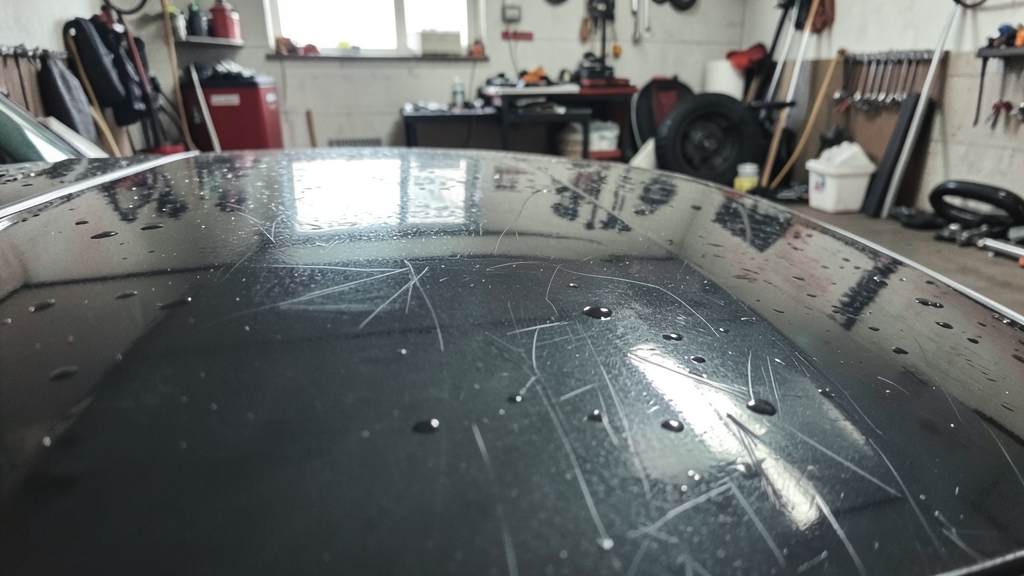
Baton Rouge’s brutal summers and high humidity push paint protection to its limits. We compare ceramic coatings and sealants head-to-head so you know which stands up to our climate—and for how long.
Why Baton Rouge’s Climate Demands More From Your Paint Protection
Our long, hot summers with intense UV exposure accelerate paint oxidation and fading. Sealants and coatings react differently to this stress, and longevity often comes down to chemical structure.
High humidity and frequent rain also test hydrophobic properties. Poor water behavior leads to water spots, mineral deposits, and premature degradation of the protective layer.
What Ceramic Coatings Bring to the Table
Ceramic coatings form a semi-permanent bond with your clear coat, creating a glass-like layer that’s highly resistant to UV rays, chemicals, and minor scratches. This is why they’re a top choice for full-vehicle ceramic coating projects.
They repel water exceptionally well, reducing water spots and making washing easier. The gloss enhancement is unmatched, giving your vehicle a deep, mirror-like finish that lasts for years, not months.
In areas like Zachary or Central, where dust and pollen are constant, the slick surface of a ceramic coating helps prevent contaminants from sticking, simplifying maintenance.
Ceramic coatings require thorough paint correction and polishing first. Skipping this step locks in swirl marks and defects under the coating.
The Case for Synthetic Sealants
Synthetic sealants are polymer-based and sit on top of the paint, providing a sacrificial layer. They’re easier to apply and more affordable upfront, which is why some opt for them in Denham Springs or Prairieville for quick protection.
They offer solid UV protection and gloss for 4–6 months, but their hydrophobic properties weaken faster under Baton Rouge’s sun. Reapplication is frequent compared to ceramic coatings.
Sealants are a good choice for those who want temporary protection or are preparing their vehicle for sale. They’re also ideal for touch-ups between ceramic coating maintenance cycles.
Side-by-Side: Longevity, Protection, and Cost Factors
The table below compares key aspects of ceramic coatings and sealants. Remember, cost depends on vehicle size, condition, and the level of paint correction needed—request a quote for precise numbers.
| Feature | Ceramic Coating | Synthetic Sealant |
|---|---|---|
| Longevity | 2–5+ years | 4–6 months |
| UV Protection | Excellent | Good |
| Hydrophobic Properties | Exceptional (beading lasts years) | Moderate (fades in months) |
| Scratch Resistance | Minor scratches, swirl marks | Minimal |
| Chemical Resistance | High (resists bird droppings, tree sap) | Low to moderate |
| Application Complexity | Professional recommended (requires paint correction) | DIY-friendly |
| Maintenance | Low (wash with pH-neutral soap) | Reapply every 4–6 months |
How Heat and Humidity Affect Each Option
Baton Rouge’s heat breaks down synthetic sealants faster, causing them to oxidize and lose their protective qualities. Ceramic coatings, with their inorganic structure, resist thermal degradation far better.
Humidity speeds up the growth of water spots and mineral deposits. Ceramic coatings’ superior hydrophobicity means water sheets off quickly, reducing the risk. Sealants, while helpful, require more frequent attention to prevent etching.
For vehicles in Baker or other areas with high industrial fallout, ceramic coatings provide a tougher barrier against contaminants that can etch paint over time.
Spray-on ceramic products sold at auto parts stores lack the durability of professional-grade coatings. They often last only months, not years.
Maintenance: Keeping Your Protection Intact
Ceramic coatings require minimal upkeep but benefit from regular washing with pH-neutral car shampoo. Avoid automatic car washes with harsh brushes, as they can introduce swirl marks over time.
Sealants need reapplication every 4–6 months, especially if your car is parked outside daily. A fresh layer before summer hits can extend protection through Baton Rouge’s toughest season.
For both, immediate removal of bird droppings, tree sap, and bug splatter is critical. These contaminants are acidic and can etch through protection if left too long.
Ceramic Coating Maintenance Checklist
- Wash with pH-neutral soap every 2 weeks
- Use a microfiber wash mitt to prevent scratches
- Dry with a clean microfiber towel to avoid water spots
- Apply a ceramic-boosting spray every 6–12 months (optional)
- Avoid wax or sealants over ceramic coatings (can reduce longevity)
When to Consider Paint Protection Film (PPF) Instead
For ultimate protection against rock chips, deep scratches, and severe UV exposure, PPF installation is the gold standard. It’s often paired with ceramic coatings for a layered defense system.
PPF is self-healing and absorbs impacts that would damage paint or coatings alone. It’s a popular choice for high-end vehicles in Baton Rouge or fleet and commercial vehicle coating projects.
While PPF excels at physical protection, it lacks the gloss enhancement of ceramic coatings. Many opt for both: PPF on high-impact areas and ceramic coatings for the rest of the vehicle.
Real-World Scenarios: Which to Choose?
If you’re looking for long-term value and minimal maintenance, ceramic coatings are the clear winner. They’re ideal for daily drivers, luxury vehicles, or anyone tired of frequent waxing.
For short-term protection or budget-conscious drivers, sealants offer a solid, temporary solution. They’re also great for classic cars in Ceramic Coating in Central that see limited use.
If your vehicle faces harsh conditions—like frequent highway driving or parking under trees—consider combining ceramic coatings with PPF for comprehensive protection.
How to Decide Between Ceramic Coating and Sealant
Determine the right protection for your vehicle and lifestyle.
- 1Assess Your Vehicle’s Exposure
Consider where and how you drive. Frequent highway use, outdoor parking, or exposure to industrial fallout (common in Baton Rouge) favors ceramic coatings.
- 2Evaluate Your Budget and Time
Ceramic coatings require a larger upfront investment and professional application, but save time and money long-term. Sealants are cheaper and DIY-friendly but need reapplication.
- 3Check Your Paint’s Condition
Ceramic coatings require paint correction first. If your vehicle has heavy swirl marks or oxidation, factor in the cost of polishing before coating.
- 4Determine Your Maintenance Willingness
If you prefer low-maintenance protection, ceramic coatings win. If you enjoy regular detailing and don’t mind reapplying protection, sealants may suffice.
- 5Think Long-Term
Ceramic coatings add resale value and preserve paint for years. If you plan to keep your vehicle long-term, they’re the smarter choice.
Frequently Asked Questions
How long does a ceramic coating last in Baton Rouge’s climate?
With proper maintenance, professional-grade ceramic coatings last 2–5+ years in Baton Rouge. The extreme heat and humidity can slightly reduce longevity compared to milder climates, but they still outperform sealants by a wide margin.
Can I apply a sealant over a ceramic coating?
No. Sealants or waxes can interfere with the coating’s hydrophobic properties and reduce its lifespan. Stick to pH-neutral washes and ceramic-specific maintenance products.
Do ceramic coatings prevent all scratches?
Ceramic coatings resist minor scratches and swirl marks, but they won’t stop deep scratches from keys or rock chips. For that, pair with paint protection film (PPF).
Are ceramic coatings worth it for older cars in Ceramic Coating Baton Rouge?
Yes, if the paint is in good condition after correction. Ceramic coatings can rejuvenate older vehicles’ appearance and protect them from further damage, adding value and longevity.
How often should I reapply sealant in Baton Rouge?
Every 4–6 months, especially before summer. The intense UV and heat break down sealants faster here than in cooler climates.
Can I get ceramic coating on just part of my vehicle?
Yes. Some opt for ceramic coating on high-visibility areas like the hood, roof, and doors, while using PPF for front-end protection. Wheel and brake caliper ceramic coating is also popular for easier cleaning.