Avoid These Prep Work Mistakes That Cause Ceramic Coating Bonding Failure in Baton Rouge in Ceramic Coating Baton Rouge, LA
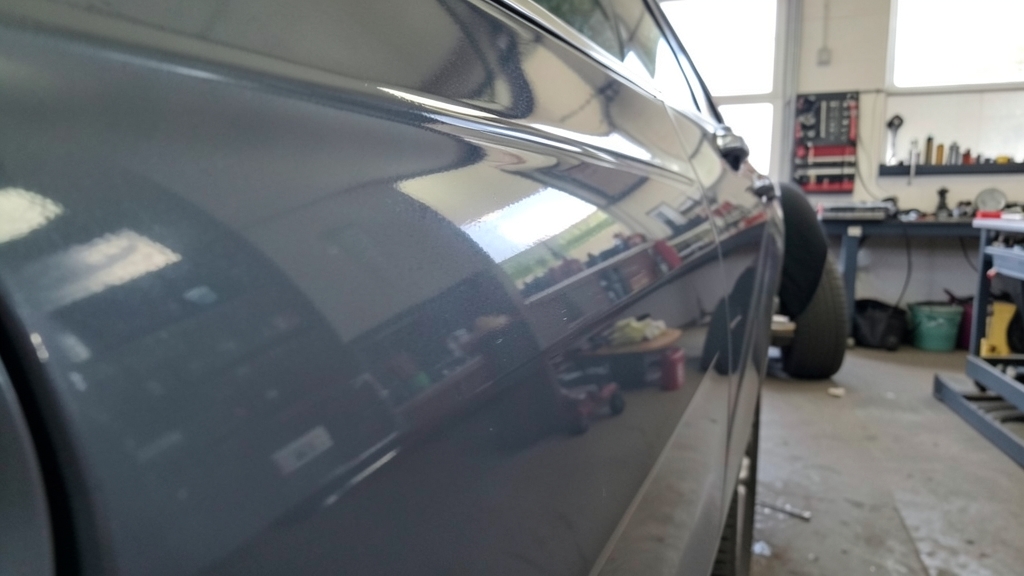
Even the highest-grade ceramic coating will fail if the prep work is rushed or done incorrectly. In Baton Rouge’s humid climate, improper surface preparation often leads to bonding failure, peeling, or premature degradation. We’ve seen it firsthand—cutting corners here always costs more in the long run.
Why Prep Work Makes or Breaks Your Ceramic Coating
Ceramic coatings bond at a molecular level to your vehicle’s clear coat. If contaminants, oils, or oxidation remain, the coating adheres to *that*—not the paint. The result? Poor durability and a wasted investment.
Baton Rouge’s high humidity and frequent rain mean surfaces often harbor embedded pollutants. Skipping deep decontamination can lead to adhesion issues, especially on daily drivers exposed to road grime and industrial fallout.
A quick wash isn’t enough. Iron particles, tar, and industrial contaminants bond to paint and won’t budge with soap alone. We use a two-step chemical and physical decontamination: iron remover spray, followed by a clay bar or clay mitt.
Pro tip: Test with the ‘baggie trick’—run a plastic bag over the paint after washing. If it feels rough, contaminants are still present. This step is non-negotiable for areas like Zachary or Central, where dust and pollen are relentless.
A dropped clay bar picks up debris that can scratch your paint. Always discard it if it hits the ground.
Mistake #2: Ignoring Paint Correction Before Coating
Ceramic coatings amplify imperfections. Swirl marks, oxidation, or water spots become permanently sealed under the coating. Paint correction—compounding and polishing—restores clarity and ensures a flawless base.
In Baton Rouge, UV exposure and heat accelerate oxidation. Vehicles from Denham Springs or Prairieville often need aggressive correction to remove etched-in defects. Light polishes won’t cut it for heavy damage.
Mistake #3: Using Contaminated Towels or Applicators
Microfiber towels must be *coating-safe* and free of embedded grit. A single speck of dirt can cause marring during the IPA wipe or coating application. We use fresh, high-GSM towels and store them in sealed containers.
The same goes for foam applicators. Reusing them without proper cleaning introduces oils or residues that disrupt bonding. This is critical for fleet vehicles in Baker, where cross-contamination risks are higher.
Microfiber Do’s and Don’ts
- Use only clean, lint-free microfiber towels (400+ GSM)
- Wash towels separately with a microfiber-specific detergent
- Never use fabric softener—it coats fibers and reduces absorbency
- Discard towels after heavy contamination (e.g., wax or silicone)
Mistake #4: Incomplete IPA Wipe-Down
The final IPA (isopropyl alcohol) wipe removes the last traces of oils, polish residues, and fingerprints. A hasty wipe leaves behind a film that prevents the coating from adhering properly.
We use 70% or higher IPA in a spray bottle, misting one panel at a time and wiping with a fresh microfiber towel. The panel must be *completely* dry before coating application—no exceptions.
Dust, wind, or direct sunlight can compromise prep. In Baton Rouge, we recommend indoor application or a covered, clean space to avoid airborne contaminants.
Mistake #5: Not Allowing Proper Cure Times Between Steps
Rushing between paint correction, IPA wipe, and coating application is a recipe for failure. Each step needs time to fully set. For example, polished surfaces should sit for at least 30 minutes to ensure all residues evaporate.
Humidity in Baton Rouge can extend cure times. If the air is saturated, we may wait longer or use dehumidifiers to maintain ideal conditions. Patience here prevents clouding or uneven bonding.
Ceramic Coating vs. Paint Protection Film: Prep Differences
While both require meticulous prep, PPF installation demands even more precision. PPF adheres to the paint itself, so any imperfection will show through the film. Ceramic coatings, however, can mask minor flaws if the prep is thorough.
For vehicles in high-impact areas (like commercial fleets in Baton Rouge), we often combine both: PPF for front-end protection and ceramic coating for the rest. Each requires its own prep protocol.
| Step | Ceramic Coating | Paint Protection Film (PPF) |
|---|---|---|
| Decontamination | Mandatory (clay + iron remover) | Mandatory (clay + iron remover + adhesive promoter) |
| Paint Correction | Required for defects | Required; must be *flawless* |
| IPA Wipe | 100% coverage, no residues | 100% coverage + tack cloth for dust |
| Environment | Clean, dust-free | Sterile, temperature-controlled |
| Cure Time Before Use | 24-48h (no water) | 7 days (no pressure washing) |
Local Considerations for Baton Rouge Drivers
Baton Rouge’s climate—hot, humid, and prone to sudden downpours—adds complexity. Moisture trapped under a coating can lead to water spots or even delamination. We always ensure surfaces are bone-dry before application.
For drivers in areas like Zachary or Central, where oak pollen and love bugs are seasonal nightmares, we recommend scheduling coating applications *after* peak pollen season. The same goes for fleet vehicles in Denham Springs, where road salt residue in winter demands extra decontamination.
How to Properly Prep Your Vehicle for Ceramic Coating
Follow these steps to ensure a flawless bond and long-lasting protection.
- 1Deep Clean the Surface
Wash the vehicle with a pH-neutral car shampoo, then use an iron remover to dissolve embedded contaminants. Rinse thoroughly.
- 2Clay Bar Treatment
Use a lubricated clay bar or mitt to physically remove remaining contaminants. Work in small sections and dry the surface afterward.
- 3Paint Correction
Assess the paint for defects. Use a dual-action polisher with the appropriate compound and polish to restore clarity. Inspect under bright lighting.
- 4Final Decontamination
Perform a final wash with a prep soap to remove polishing oils, then dry the vehicle completely with clean microfiber towels.
- 5IPA Wipe-Down
Spray 70%+ IPA on each panel and wipe with a fresh microfiber towel. Ensure the surface is streak-free and completely dry.
- 6Inspect and Proceed
Check for any missed spots, dust, or residues. Only proceed with coating application if the surface is immaculate.
Frequently Asked Questions
Can I apply ceramic coating over existing wax or sealant in Baton Rouge?
No. Wax or sealant must be fully removed during prep, as they create a barrier that prevents the ceramic coating from bonding. We strip all previous products using a dedicated cleaner or clay treatment before proceeding.
How long does prep work take for a full-vehicle ceramic coating?
Prep time varies based on the vehicle’s condition, but expect 8–12 hours for a thorough decontamination, paint correction, and final wipe-down. Rushing this step risks bonding failure, especially in humid conditions.
What’s the most common prep mistake you see with DIY ceramic coating in Baton Rouge?
Skipping paint correction. Many assume a wash and clay bar are enough, but swirl marks, oxidation, or water spots will be locked in under the coating. Professional correction is often needed for a showroom finish.
Does ceramic coating prep differ for wheels or brake calipers?
Yes. Wheels and calipers require extra attention to remove brake dust, which is highly abrasive. We use dedicated wheel cleaners, iron removers, and often a clay bar to ensure a clean surface before applying ceramic wheel coating.
Can I drive my car immediately after ceramic coating application in Baton Rouge?
No. The coating needs 24–48 hours to initially cure. During this time, avoid water exposure (including rain), car washes, or parking under trees. Full cure takes 7–14 days, so avoid harsh chemicals or automatic car washes.
Is paint protection film (PPF) prep the same as ceramic coating prep?
Similar, but PPF requires an even higher standard. The paint must be *perfectly* smooth, as any defect will show through the film. Additionally, PPF often uses an adhesive promoter for maximum bond strength.