How Dust and Debris Affect Ceramic Coating Longevity in Ceramic Coating Baton Rouge, LA
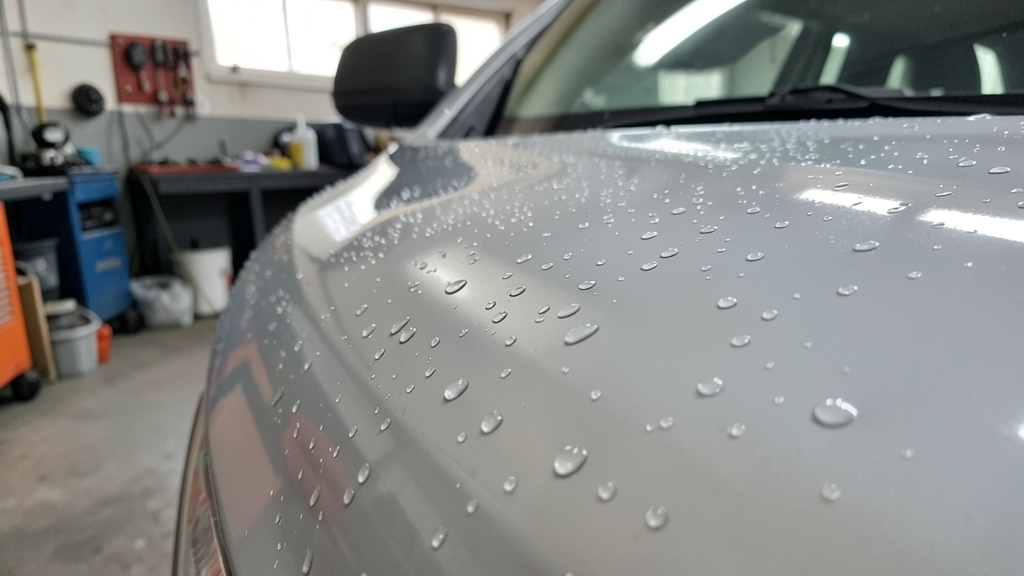
Baton Rouge’s humid climate and frequent dust storms can take a toll on even the most durable ceramic coatings. We break down how airborne contaminants degrade your coating over time and what you can do to extend its life. Proper care makes all the difference in preserving that glass-like finish.
Why Baton Rouge’s Environment Challenges Ceramic Coatings
Our region’s high humidity and seasonal pollen create a perfect storm for surface contamination. Dust and organic debris bond to the hydrophobic layer, reducing its self-cleaning efficiency over time.
Road grime from I-10 and I-12, plus construction dust from growing areas like Central and Zachary, accelerates abrasive wear. Even a top-tier coating needs proactive maintenance to combat these local conditions.
How Dust and Debris Degrade Ceramic Coatings
Microscopic dust particles act like sandpaper, creating micro-scratches that dull the gloss. Over months, this abrasion weakens the silica matrix, shortening the coating’s effective lifespan.
Pollen and organic debris break down into acidic compounds that etch the surface. Without regular decontamination, these contaminants embed into the coating, compromising its hydrophobic properties.
Brush-based car washes in Baton Rouge often use recycled water and harsh detergents. These strip away ceramic coating layers and introduce new swirl marks. Stick to hand washes with pH-neutral shampoos.
The Role of Maintenance Washes in Longevity
A bi-weekly wash with a pH-neutral shampoo removes surface contaminants before they bond. Use the two-bucket method to prevent reapplying dirt during the wash process.
For stubborn grime, a clay bar or iron-removing spray lifts embedded particles without damaging the coating. This step is critical before reapplying a ceramic boost spray to refresh hydrophobicity.
Ceramic Coating vs. Paint Protection Film: Contamination Resistance
While ceramic coatings excel at repelling water and light contaminants, PPF offers superior resistance to physical abrasion from road debris. Many Baton Rouge drivers combine both for ultimate protection.
PPF’s self-healing top layer handles rock chips and deep scratches, but it lacks the deep gloss and hydrophobic beading of a quality ceramic coating. Each has strengths depending on your driving habits.
| Factor | Ceramic Coating | Paint Protection Film (PPF) |
|---|---|---|
| Abrasion Resistance | Moderate (micro-scratches possible) | High (self-healing top layer) |
| Hydrophobic Properties | Excellent (water beading) | Good (water sheets off) |
| Contaminant Bonding | Low (easy to clean) | Very Low (smooth surface) |
| Gloss Enhancement | High (deep, reflective finish) | Moderate (depends on install quality) |
| Maintenance Needs | Regular washes, decontamination | Less frequent, but requires PPF-safe products |
Common Mistakes That Shorten Coating Life
Using household cleaners or dish soap breaks down the silica bond. Always opt for ceramic-safe products to avoid premature degradation.
Parking under trees in neighborhoods like Prairieville or Denham Springs exposes your vehicle to sap and bird droppings. These acidic substances etch the coating if not removed quickly.
Ceramic Coating Maintenance Do’s
- Wash every 2 weeks with pH-neutral shampoo
- Use a microfiber wash mitt and separate drying towel
- Apply a ceramic boost spray every 3-6 months
- Decontaminate with clay bar or iron remover as needed
- Park in a garage or under a cover to limit UV and debris exposure
Seasonal Considerations for Baton Rouge Drivers
Spring pollen in Zachary and Baker is relentless. A quick rinse with the pressure washer’s foam cannon helps prevent yellowing and bonding before your next full wash.
Summer heat and UV rays accelerate oxidation. A ceramic coating with UV inhibitors, paired with regular maintenance, keeps your paint from fading under the Louisiana sun.
Fall brings leaf debris, which stains if left too long. Winter’s road salt in nearby areas can corrode unprotected surfaces—another reason to keep your coating in top shape year-round.
After heavy rain or dust storms, perform a maintenance wash within 48 hours. Standing water can leave mineral deposits that dull the coating’s hydrophobicity.
When to Consider a Coating Refresh or Reapplication
If water no longer beads and sheets off as it once did, your coating’s hydrophobic layer is likely compromised. A professional inspection can determine if a boost spray or full reapplication is needed.
For vehicles in high-exposure areas like fleet trucks in Denham Springs or daily drivers in Prairieville, we often recommend a full reapplication every 2-3 years to maintain optimal protection.
How to Safely Remove Embedded Contaminants from a Ceramic Coating
Follow these steps to restore your coating’s performance without causing damage.
- 1Pre-Wash Rinse
Use a pressure washer or hose to remove loose dirt. This prevents scratching during the wash process.
- 2Foam Cannon Application
Apply a pH-neutral foam to loosen stubborn contaminants. Let it dwell for 3-5 minutes before rinsing.
- 3Two-Bucket Wash
Wash with a microfiber mitt using the two-bucket method: one for soapy water, one for rinsing the mitt.
- 4Clay Bar Decontamination
Use a clay bar with lubricant to lift embedded particles. Work in small sections and dry the surface immediately after.
- 5Final Rinse and Dry
Rinse thoroughly and dry with a clean microfiber towel. Avoid air drying to prevent water spotting.
- 6Apply Ceramic Boost Spray
Spray a ceramic boost product onto the surface and buff with a microfiber towel to restore hydrophobicity.
Frequently Asked Questions
How often should I wash my car to protect the ceramic coating in Baton Rouge?
We recommend a maintenance wash every two weeks, or immediately after dust storms or heavy pollen exposure. Baton Rouge’s environment demands more frequent care than drier climates to prevent contaminant bonding.
Can a ceramic coating prevent swirl marks from dust and debris?
Ceramic coatings reduce swirl marks by creating a harder surface that resists light scratches. However, they’re not invincible—proper washing techniques and avoiding automatic car washes are key to preventing abrasions.
Does ceramic coating work well with Paint Protection Film in Baton Rouge?
Absolutely. Many of our clients in areas like Zachary and Central combine PPF on high-impact areas (hood, bumper) with a full ceramic coating for gloss and hydrophobic properties. This hybrid approach maximizes protection against both physical and chemical contaminants.
What’s the biggest threat to ceramic coating longevity in Baton Rouge?
The combination of UV exposure, high humidity, and airborne contaminants like pollen and road grime is the biggest challenge. Without regular maintenance, these factors accelerate the breakdown of the coating’s hydrophobic and protective layers.
How can I tell if my ceramic coating is failing?
Signs include reduced water beading, increased water spotting, and a duller appearance. If contaminants bond more easily or the surface feels rough, it’s time for a professional inspection or reapplication.
Is ceramic coating worth it for fleet vehicles in Baton Rouge?
Yes, especially for fleets in Denham Springs or Prairieville that see heavy road exposure. Ceramic coatings reduce wash time, protect against UV fading, and maintain a professional appearance longer than traditional waxes or sealants.