How to Prepare Your Car for a Ceramic Coating in Baton Rouge in Ceramic Coating Baton Rouge, LA
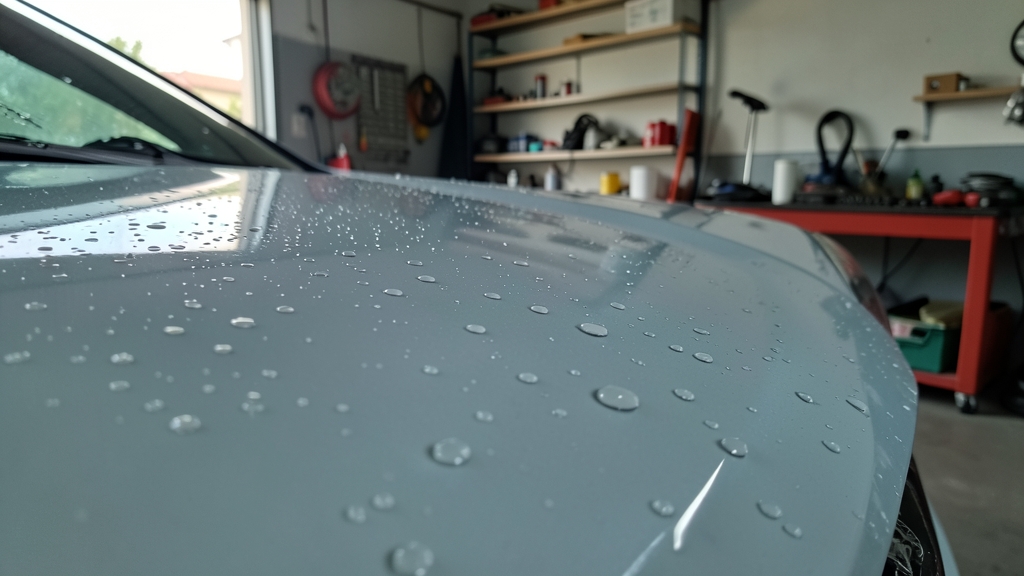
Ceramic coating demands a pristine surface to bond properly and last. Skipping prep steps in Baton Rouge’s humid climate can trap contaminants under the coating, leading to peeling or poor durability. We’ll walk you through the exact process our team uses to ensure a showroom-quality finish.
Why Prep Matters for Ceramic Coating Longevity
Ceramic coatings chemically bond to your clear coat, not paint imperfections. Any dirt, wax, or oxidation left behind will be sealed in permanently, ruining the finish and reducing lifespan.
Baton Rouge’s high humidity and frequent rain mean water spots and mineral deposits are common. These must be fully removed before application to prevent etching under the coating.
Step 1: Thorough Exterior Wash and Decontamination
Start with a two-bucket wash using pH-neutral car shampoo to avoid stripping existing wax or sealants. This removes surface dirt without adding swirl marks.
Next, use an iron remover spray to dissolve embedded brake dust and rail dust—common on vehicles in Baton Rouge’s stop-and-go traffic. Follow with a clay bar to lift stubborn contaminants the wash missed.
Decontamination Essentials
- pH-neutral car shampoo
- Iron remover spray
- Clay bar and lubricant
- Microfiber wash mitts
- Grit guards in wash buckets
Step 2: Paint Correction for a Flawless Base
Even minor swirl marks or oxidation will show through a ceramic coating. Paint correction involves machine polishing with progressively finer compounds to restore clarity and gloss.
We use a paint thickness gauge to monitor clear coat removal, ensuring we don’t over-polish—critical for older vehicles or those with thin factory paint, common in Louisiana’s sunny climate.
Thin clear coat can’t be reversed. Always measure paint thickness before and during correction to prevent damage.
Step 3: Final Cleaning and IPA Wipe-Down
After polishing, a final wash removes polishing oils and residue. Then, a 50/50 isopropyl alcohol (IPA) and water solution wipe-down eliminates any remaining oils or fingerprints.
This step ensures the surface is 100% clean and dry, so the ceramic coating adheres uniformly. Skipping it risks poor bonding and uneven curing.
Ceramic Coating vs. Paint Protection Film: Prep Differences
While both require meticulous prep, PPF installation demands even more precision. PPF is a physical barrier, so even tiny dust particles can cause bubbles or lifting over time.
Ceramic coatings are more forgiving but still need a contaminant-free surface. For vehicles in Baker or Zachary, where road debris is common, some owners opt for PPF on high-impact areas paired with ceramic coating elsewhere.
| Factor | Ceramic Coating | Paint Protection Film (PPF) |
|---|---|---|
| Surface Cleanliness | Must be 100% contaminant-free | Must be 100% contaminant-free + dust-free |
| Paint Correction | Required for best results | Required for best results |
| Drying Time | Surface must be dry | Surface must be dry + environment dust-controlled |
| Application Environment | Clean, temperature-controlled | Clean, temperature-controlled, dust-free |
| Common Pairings | Full-vehicle or partial coating | Often paired with ceramic coating on non-PPF areas |
Baton Rouge Climate Considerations
Our humidity and frequent rain mean vehicles here are prone to water spots and mineral deposits. These must be fully removed before coating to prevent etching.
For cars in Denham Springs or Central, where pollen is heavy in spring, a thorough decontamination step is non-negotiable. Pollen can bond to paint and show through the coating if not removed.
Avoid applying ceramic coating in high humidity or direct sunlight. Ideal conditions are 60-80°F with low humidity, common in Baton Rouge’s fall and spring.
Common Mistakes to Avoid During Prep
Using dish soap or harsh detergents can strip paint of natural oils, making it harder for the coating to bond. Stick to pH-neutral products.
Skipping the IPA wipe-down leaves behind invisible oils that prevent proper adhesion. This is a frequent oversight in DIY attempts in Prairieville or Zachary.
Rushing prep can lead to coating failure. Each step—washing, decontaminating, correcting, and cleaning—must be done thoroughly.
Post-Coating Care for Long-Term Protection
After application, avoid washing your car for 7-10 days to allow the coating to fully cure. Baton Rouge’s rain can interfere with curing if the vehicle is exposed too soon.
For the first month, use pH-neutral shampoos and avoid automatic car washes with harsh brushes. This ensures the coating sets properly and lasts up to 5 years or more.
How to Decontaminate Your Car Before Ceramic Coating
Follow these steps to ensure your vehicle’s surface is ready for ceramic coating application.
- 1Wash with pH-Neutral Shampoo
Use the two-bucket method with grit guards to prevent swirl marks. Dry with a clean microfiber towel.
- 2Apply Iron Remover
Spray iron remover on panels and let it dwell for 3-5 minutes. Rinse thoroughly to remove dissolved contaminants.
- 3Clay Bar Treatment
Lubricate the surface and gently glide the clay bar over the paint to lift embedded contaminants. Wipe dry afterward.
- 4Final Rinse and Dry
Rinse the vehicle again to remove any clay residue. Dry completely with a microfiber towel.
- 5IPA Wipe-Down
Use a 50/50 IPA and water solution to wipe down all surfaces, ensuring no oils or residues remain.
Frequently Asked Questions
Can I apply ceramic coating over existing wax or sealant in Baton Rouge?
No. Wax or sealant must be fully removed during prep, as ceramic coatings won’t bond properly to these surfaces. Our team uses a dedicated wax remover or IPA wipe-down to ensure a clean base.
How long does paint correction take before ceramic coating?
It depends on the vehicle’s condition. Light swirl marks may take 2-4 hours, while heavy oxidation or deep scratches can require 6-8 hours or more. Request a quote for an accurate estimate.
Is paint correction necessary for a new car in Ceramic Coating Baton Rouge?
Even new cars often have factory defects like swirl marks or buffer trails. Paint correction ensures the ceramic coating enhances, rather than highlights, these imperfections.
What’s a good time of year to apply ceramic coating in Louisiana?
Fall and spring are ideal due to moderate temperatures and lower humidity. Avoid extreme heat or cold, which can affect curing and application quality.
Can I prep my car myself, or should I hire a pro for Ceramic Coating in Baton Rouge?
DIY prep is possible if you have the right tools and experience, but mistakes can be costly. Professionals use paint thickness gauges, high-quality polishes, and controlled environments to achieve results.
Does ceramic coating prevent rock chips in areas like Denham Springs or Zachary?
Ceramic coatings add a layer of protection but won’t stop rock chips. For high-impact areas, consider pairing ceramic coating with paint protection film (PPF) for full defense.