How to Test the Quality of Your Ceramic Coating in Baton Rouge in Ceramic Coating Baton Rouge, LA
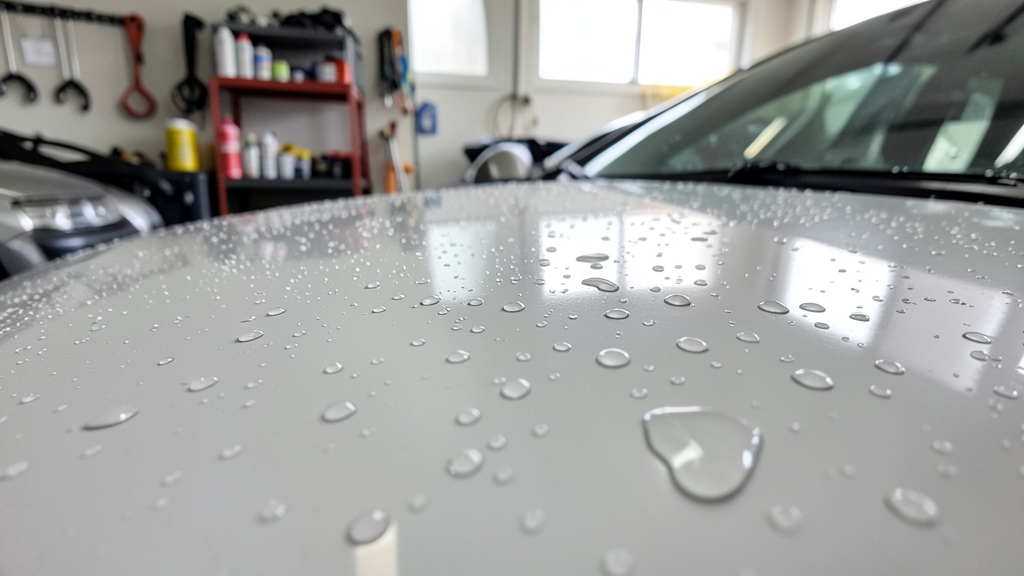
A high-quality ceramic coating should last years, not months. In Baton Rouge’s harsh sun and humidity, subpar applications fail fast. We’ll show you how to test your coating’s integrity like a pro—so you know it’s built to endure our local conditions.
Why Testing Your Ceramic Coating Matters in Louisiana
Baton Rouge’s intense UV, frequent rain, and road grime demand a coating that performs. A poorly applied or low-grade product won’t shield your paint from fading, water spots, or chemical etching.
Even a fresh coating can hide flaws like uneven curing or thin layers. Testing early catches issues before they lead to peeling or reduced hydrophobicity.
Visual Inspection: The First Sign of Trouble
Start with a clean, dry surface in direct sunlight. Look for inconsistent gloss, hazing, or swirl marks—signs of improper prep or application.
Check for water spots or mineral deposits. These often indicate a coating that’s not fully hydrophobic or was applied over contaminants.
Skipping paint correction before coating locks in defects. Always start with a flawless surface, or the coating will amplify imperfections.
The Water Beading Test: Hydrophobicity Check
Spray a fine mist of water on the coated surface. A quality ceramic coating (9H or higher) will form tight, high domes that roll off effortlessly.
If water flattens or leaves trails, the coating’s hydrophobic layer is weak. This often happens with single-layer applications or low-SiO2 products.
Contact Angle Measurement: The Pro’s Method
Use a contact angle meter for precision. A properly cured ceramic coating should exceed 110°—ideally 120°+. Anything below 90° suggests poor bonding or degradation.
No meter? A smartphone app with a protractor overlay can estimate the angle. Just ensure the surface is spotless and dry before testing.
Cross-Hatch Adhesion Test: Will It Peel?
Use a razor blade to lightly score a 1-inch grid into the coating (don’t cut into the paint). Apply and remove a piece of 3M 4010 tape at a 45° angle.
If the coating lifts, it wasn’t properly prepped or cured. This test is critical for fleet or commercial vehicles in Denham Springs or Zachary, where durability is non-negotiable.
Coating thickness can vary across panels. Check hoods, roofs, and doors separately—especially after Paint Protection Film (PPF) edges.
Chemical Resistance: The Acid and Solvent Test
Dab a cotton swab soaked in isopropyl alcohol (90%+) or a mild acid (like diluted citrus cleaner) on the coating. Let it sit for 30 seconds, then wipe away.
A quality coating won’t discolor, soften, or leave residue. If it does, the product lacks the chemical resistance needed for Baton Rouge’s road salts and bug splatter.
Hardness Test: The Pencil Method
Use a set of graphite pencils (from 6B to 9H). Hold a pencil at 45° and press firmly while dragging. The coating should resist scratches up to its rated hardness (e.g., 9H).
If a 2H pencil leaves a mark, the coating is either too thin or not fully cured. This is common in DIY kits versus professional Full-Vehicle Ceramic Coating services.
| Pencil Grade | Coating Hardness | Interpretation |
|---|---|---|
| 9H | 9H+ | Premium, scratch-resistant |
| 7H-8H | 8H | Good, but may need touch-ups |
| 4H-6H | 6H | Below standard; likely DIY |
| 2H or lower | <6H | Failing or no coating |
UV and Heat Resistance: Louisiana’s Toughest Test
Park your car in direct Baton Rouge sun for a week, then re-test hydrophobicity and gloss. A durable coating won’t yellow, haze, or lose beading.
For extreme cases, use a heat gun (set to 150°F) on a small area for 10 minutes. Quality coatings like those we apply in Central or Baker won’t blister or peel.
How to Perform a Quick At-Home Ceramic Coating Test
No tools? Use these steps to gauge your coating’s health in minutes.
- 1Wash and Dry
Clean the car with a pH-neutral shampoo and dry with a microfiber towel. Contaminants skew results.
- 2Water Beading Test
Mist water on a panel. Ideal coatings form tight, rolling beads. Flat water means it’s time for a reapplication.
- 3Fingerprint Test
Press your finger lightly on the surface. A quality coating resists oils and wipes clean without smudging.
- 4Gloss Check
Compare panels under sunlight. Uneven shine suggests thin or uneven coating layers.
- 5Dirt Repellency
Sprinkle a pinch of dust on the hood. A self-cleaning coating will shed most particles with a light breeze or rinse.
Frequently Asked Questions
How often should I test my ceramic coating in Baton Rouge?
Test hydrophobicity and gloss every 3–6 months, especially after harsh summers or winters. Baton Rouge’s climate accelerates wear, so proactive checks prevent long-term damage.
Can I test a ceramic coating on my wheels or brake calipers?
Yes, but wheels require extra care. Use the same water beading and chemical tests, but avoid abrasive tools—wheel coatings are thinner. We often apply dedicated Ceramic Wheel & Caliper Coating for local clients in Prairieville.
Why does my coating bead water but scratch easily?
Hydrophobicity and hardness are separate properties. Some coatings excel at water repellency but lack 9H scratch resistance. A full Paint Correction & Polishing before application ensures both.
Is a ceramic coating still effective if it doesn’t bead perfectly?
Partial beading can still offer protection, but it signals degradation. Reapply a top-up layer or consider a full re-coat, especially if you’re in high-exposure areas like Zachary or Denham Springs.
What’s the difference between a ceramic coating and Paint Protection Film (PPF)?
Ceramic coatings are liquid-applied and enhance gloss and hydrophobicity but don’t protect against rock chips. PPF is a physical film that shields against impacts. Many Baton Rouge drivers combine both for ultimate protection.
Can I test a ceramic coating on my windows or headlights?
Absolutely. Ceramic Window Tint and Headlight Restoration & Coating use similar hydrophobic tech. Test with water beading, but avoid pencil hardness tests on glass—it’s not applicable.