Understanding the Hydrophobic Science Behind Ceramic Coatings for Ceramic Coating Baton Rouge
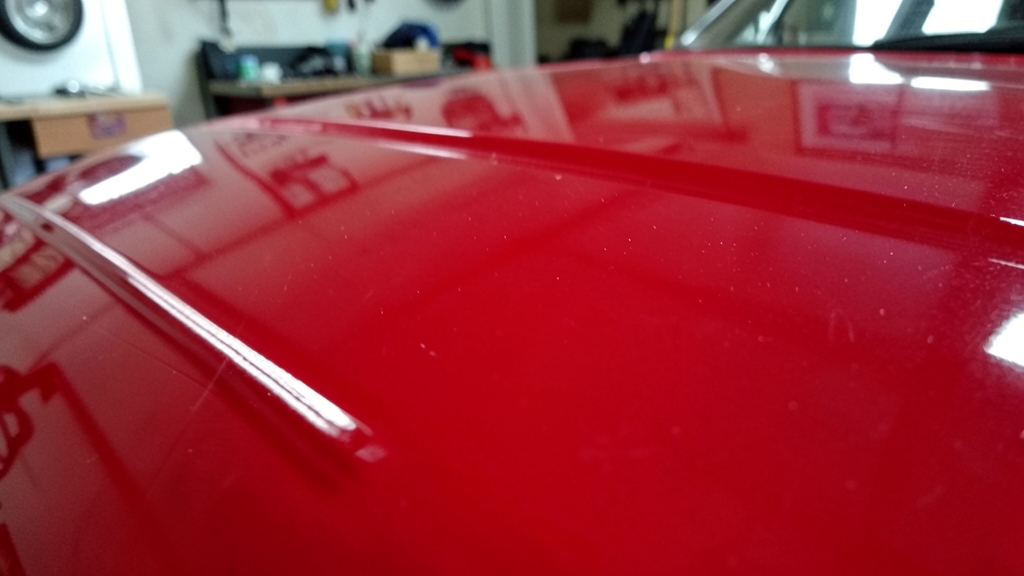
Hydrophobic properties are the secret sauce behind ceramic coatings’ ability to repel water, dirt, and grime. For drivers in Baton Rouge, where humidity and sudden downpours are the norm, this science isn’t just impressive—it’s essential. We break down how it works and why it matters for your vehicle’s longevity.
What Makes Ceramic Coatings Hydrophobic?
Ceramic coatings owe their hydrophobic nature to nano-ceramic particles, primarily silicon dioxide (SiO2). When applied, these particles form a tight, invisible matrix that chemically bonds with your vehicle’s clear coat.
This creates a surface with an extremely high contact angle—typically 110° or more—causing water to bead up and roll off instead of spreading or soaking in.
The Role of Contact Angle in Water Repellency
Contact angle measures how a liquid interacts with a solid surface. A low angle means water spreads; a high angle means it beads. Ceramic coatings push this angle past 100°, ensuring water doesn’t cling.
In Baton Rouge’s humid climate, this prevents water spots and mineral deposits from etching into your paint over time.
| Surface Type | Contact Angle Range | Water Behavior |
|---|---|---|
| Uncoated Paint | 30°–60° | Water spreads, leaves spots |
| Wax/Sealant | 70°–90° | Moderate beading, short durability |
| Ceramic Coating | 110°–130°+ | Extreme beading, self-cleaning effect |
How Hydrophobicity Enhances Self-Cleaning
The hydrophobic surface doesn’t just repel water—it reduces surface tension. Dirt and grime sit on top of the coating instead of bonding to the paint. A light rain or rinse often washes them away.
This is a game-changer in areas like Zachary or Central, where dust from rural roads and pollen in spring can quickly dirty a vehicle.
After a ceramic coating application, avoid washing your car for 48–72 hours to allow full curing. This ensures maximum hydrophobic performance from day one.
Hydrophobicity vs. Oleophobicity: What’s the Difference?
Hydrophobic coatings repel water, but many high-end ceramic coatings also offer oleophobic properties—repelling oils and fuels. This dual action protects against road tar, bird droppings, and even bug splatter.
For fleet vehicles in Denham Springs or Prairieville, oleophobicity extends the time between deep cleans, reducing maintenance costs.
Why Baton Rouge’s Climate Demands Hydrophobic Protection
Louisiana’s high humidity and frequent rain accelerate paint oxidation and water spot formation. Hydrophobic coatings act as a barrier, preventing moisture from lingering and causing damage.
UV rays are another concern. Ceramic coatings block up to 99% of UV light, preventing fading—critical for vehicles parked outdoors in Baker or under the brutal summer sun.
Store-bought ceramic sprays lack the durability and hydrophobic strength of professional-grade coatings. Improper application can leave streaks or uneven protection.
Hydrophobic Coatings and Paint Correction: A Perfect Pair
Hydrophobic coatings amplify the results of paint correction. Before applying a coating, we perform paint correction and polishing to remove swirls, scratches, and oxidation. The smoother the surface, the better the coating bonds—and the stronger the hydrophobic effect.
This combo is ideal for luxury or classic cars in Baton Rouge, where flawless aesthetics and protection are non-negotiable.
Longevity: How Long Does Hydrophobicity Last?
Professional ceramic coatings maintain peak hydrophobicity for 2–5 years, depending on the product and maintenance. Factors like exposure to harsh chemicals, automatic car washes, or extreme heat can degrade performance faster.
Regular maintenance—such as using pH-neutral soaps and avoiding abrasive tools—preserves the coating’s hydrophobic properties.
Beyond the Paint: Hydrophobic Coatings for Other Surfaces
Hydrophobic ceramic coatings aren’t just for paint. We apply them to wheels, brake calipers, and even headlights to repel brake dust, road grime, and water. This reduces corrosion and keeps components looking newer, longer.
For commercial fleets in Baton Rouge, coating wheels and undercarriages can cut cleaning time and prevent rust from road salt used in rare winter freezes.
Surfaces That Benefit from Hydrophobic Coatings
- Full-vehicle paint
- Wheel faces and barrels
- Brake calipers
- Headlights and taillights
- Chrome and trim
- Glass (with specialized ceramic window tint)
How to Maintain Hydrophobic Properties in Your Ceramic Coating
Keeping your coating’s water-repelling power at its peak requires the right care.
- 1Wash Regularly with pH-Neutral Soap
Use a high-quality, pH-balanced car shampoo to avoid stripping the coating. Avoid dish soaps or degreasers, which can break down the hydrophobic layer.
- 2Dry with a Microfiber Towel
After washing, dry your vehicle with a clean microfiber towel to prevent water spots. The hydrophobic surface makes this faster and easier.
- 3Avoid Automatic Car Washes
Brushes and harsh chemicals in automatic car washes can wear down the coating over time. Opt for touchless or hand-wash methods instead.
- 4Reapply a Top-Up Spray (If Needed)
For coatings nearing the end of their lifespan, a professional top-up spray can restore hydrophobicity. Request a quote to assess your coating’s condition.
- 5Address Contaminants Promptly
Bird droppings, bug splatter, and tree sap can etch into the coating if left too long. Remove them gently with a detailer spray and microfiber cloth.
Frequently Asked Questions
How does hydrophobic ceramic coating compare to wax or sealants in Baton Rouge’s climate?
Wax and sealants offer temporary hydrophobicity (1–6 months) and minimal UV protection. Ceramic coatings last years, provide superior water repellency, and shield against UV rays, oxidation, and chemical contaminants—critical for Louisiana’s harsh conditions.
Can a ceramic coating make my car completely maintenance-free?
No coating is 100% maintenance-free, but hydrophobic ceramic coatings drastically reduce the need for frequent washing and detailing. Dirt and water roll off more easily, but regular cleaning still preserves the finish and coating lifespan.
Will a hydrophobic coating prevent water spots in Baton Rouge’s hard water areas?
Yes—when properly maintained. The high contact angle causes water to bead and roll off before minerals can deposit. However, in extreme cases (e.g., parked under sprinklers), wiping down the vehicle afterward helps.
Is hydrophobic ceramic coating worth it for older vehicles?
Absolutely, but paint correction is often needed first. Older vehicles with swirls, oxidation, or faded paint benefit from correction followed by a ceramic coating to restore gloss and add long-term hydrophobic protection.
Can I apply a hydrophobic coating over Paint Protection Film (PPF)?
Yes, and it’s a popular combo. PPF protects against rock chips and scratches, while a ceramic coating adds hydrophobicity and UV resistance. This dual-layer approach is ideal for high-end or frequently driven vehicles in Baton Rouge.
How do I know if my ceramic coating’s hydrophobic effect is fading?
Signs include water no longer beading as tightly, dirt sticking more easily, or the surface feeling rougher. If you notice these, it may be time for a professional inspection or reapplication. Request a quote to evaluate.