What to Expect from a High-Quality Ceramic Coating Service in Ceramic Coating Baton Rouge, LA
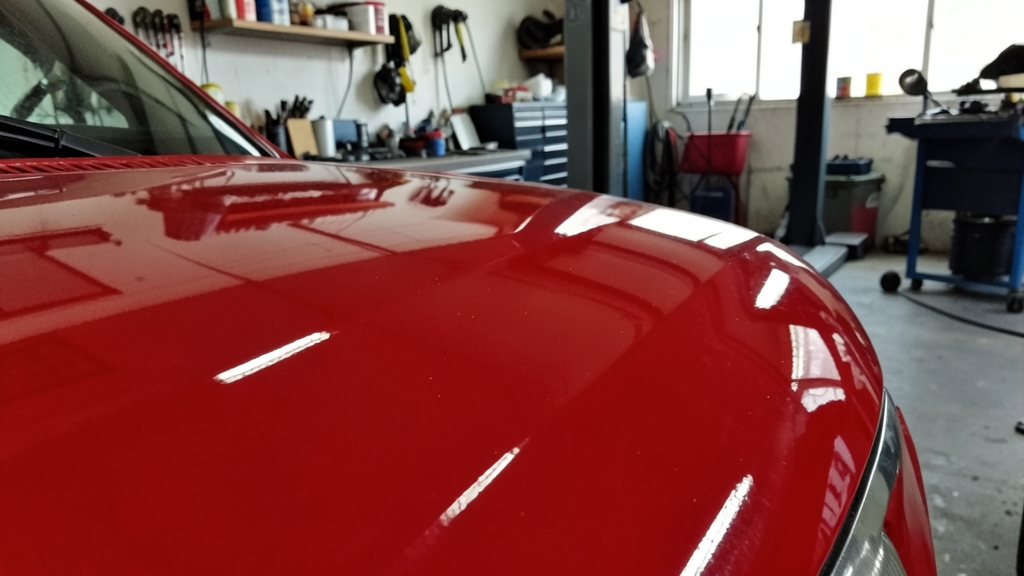
A high-quality ceramic coating isn’t just a wax alternative—it’s a long-term shield for your vehicle’s paint. In Baton Rouge, where humidity and intense sun can wreak havoc on finishes, we use professional-grade nano-ceramic polymers to deliver unmatched durability and gloss. Here’s exactly what to expect from start to finish.
Why Ceramic Coating Outperforms Traditional Wax and Sealants
Traditional wax and synthetic sealants provide temporary shine and minor protection, but they degrade quickly under Baton Rouge’s harsh UV rays and frequent rain. Ceramic coatings bond chemically with your paint, creating a permanent hydrophobic layer that repels water, contaminants, and UV damage.
While wax lasts weeks, a professional ceramic coating can endure 2–5 years or more with proper care. It also resists chemical stains from bird droppings, tree sap, and road salt—common issues for drivers in Baker, Zachary, and Central.
| Feature | Ceramic Coating | Wax | Sealant |
|---|---|---|---|
| Durability | 2–5+ years | 4–8 weeks | 4–6 months |
| UV Protection | Excellent | Minimal | Moderate |
| Hydrophobic Effect | Extreme | Moderate | Good |
| Chemical Resistance | High | Low | Moderate |
| Gloss Enhancement | Superior | Good | Good |
The Prep Work: Paint Correction Is Non-Negotiable
A ceramic coating amplifies your paint’s condition—flaws become glaringly obvious once the coating is applied. That’s why we always start with paint correction: a multi-step polishing process to remove swirl marks, oxidation, and light scratches.
In Baton Rouge’s climate, vehicles often suffer from sun-induced fading or water spots. Our team uses dual-action polishers and fine abrasives to restore a mirror-like finish before the coating is applied. Skipping this step risks locking in imperfections.
Applying ceramic coating to untreated swirls or scratches will make them permanent. Always insist on paint correction first—it’s the foundation of a flawless finish.
Step-by-Step: How We Apply Ceramic Coating in Baton Rouge
First, we perform a thorough decontamination wash to remove embedded dirt, tar, and iron particles. This ensures the surface is completely clean before correction begins.
After polishing, the vehicle is wiped down with isopropyl alcohol to eliminate any remaining oils or residues. The coating is then applied in thin, even layers using high-quality microfiber applicators.
Each layer requires precise curing time—typically 24–48 hours in a controlled environment. We often apply 2–3 layers for maximum durability, especially for vehicles in high-exposure areas like Prairieville or Denham Springs.
What Ceramic Coating Protects Against (and What It Doesn’t)
Ceramic coatings excel at shielding against UV rays, oxidation, bird droppings, and minor scratches. The hydrophobic effect makes washing easier, as dirt and water bead off the surface.
However, it’s not a magic shield. It won’t prevent rock chips, deep scratches, or intentional vandalism. For full protection, we recommend pairing it with Paint Protection Film (PPF) on high-impact areas like the hood, bumper, and fenders.
PPF absorbs impacts that ceramic coatings can’t. Together, they offer the best of both worlds: self-healing protection against chips and long-term gloss retention.
How Baton Rouge’s Climate Affects Your Coating’s Longevity
Louisiana’s humidity and intense sunlight can accelerate the breakdown of lower-quality coatings. We use industrial-grade ceramic products rated for extreme conditions, ensuring they hold up against the region’s heat and moisture.
Regular maintenance is key. Washing your vehicle every 2 weeks with pH-neutral soap and avoiding automatic car washes with harsh brushes will extend the coating’s life. For areas like Central or Zachary, where dust and pollen are prevalent, more frequent cleaning may be needed.
Beyond the Paint: Full-Vehicle Protection Options
Ceramic coatings aren’t limited to exterior paint. We also offer specialized coatings for wheels, brake calipers, and even interiors. Wheels and calipers benefit from heat-resistant ceramic layers that repel brake dust and simplify cleaning.
For interiors, a ceramic coating on leather, vinyl, or plastic surfaces resists stains, UV fading, and premature aging—ideal for Baton Rouge drivers who spend a lot of time on the road. Headlight restoration followed by a ceramic coating can also restore clarity and prevent yellowing.
How to Choose the Right Ceramic Coating Service
Not all ceramic coatings are created equal. Look for a provider that uses professional-grade products (not consumer DIY kits) and offers a detailed prep process, including paint correction. Ask about the number of layers, curing requirements, and warranty coverage.
Our team serves Baton Rouge, Baker, Zachary, Central, Denham Springs, and Prairieville with tailored solutions for each vehicle’s needs. Whether it’s a daily driver or a show car, we ensure the coating matches the level of protection required.
What to Ask Before Booking
- Do you include paint correction in the service?
- What brand and grade of ceramic coating do you use?
- How many layers are applied, and what’s the curing process?
- Is there a warranty, and what does it cover?
- Do you offer maintenance guidance or follow-up services?
How to Maintain Your Ceramic Coating for Maximum Longevity
Proper care keeps your coating looking and performing its best for years.
- 1Wash Regularly with pH-Neutral Soap
Use a high-quality, pH-neutral car shampoo and a microfiber wash mitt to avoid introducing swirls. Avoid dish soap or household cleaners, which can strip the coating.
- 2Dry Thoroughly After Washing
Water spots can leave mineral deposits that dull the finish. Use a clean microfiber towel or a blower to dry the surface completely.
- 3Avoid Automatic Car Washes
Brushes and harsh chemicals in automatic car washes can degrade the coating over time. Stick to hand washing or touchless options.
- 4Apply a Ceramic Boost Spray Every 3–6 Months
These maintenance sprays replenish hydrophobic properties and extend the coating’s life. They’re a quick way to restore beading and gloss.
- 5Address Contaminants Immediately
Bird droppings, tree sap, and bug splatter can etch into the coating if left untreated. Remove them promptly with a detailer spray and a microfiber cloth.
Frequently Asked Questions
How long does a ceramic coating last in Baton Rouge’s climate?
With proper maintenance, a professional ceramic coating typically lasts 2–5 years or more. Baton Rouge’s humidity and UV exposure can shorten this lifespan if the vehicle isn’t cared for, so regular washing and maintenance sprays are essential.
Can ceramic coating be applied to a car with existing scratches or swirl marks?
No—scratches and swirls must be removed through paint correction before applying the coating. Otherwise, these imperfections will be permanently sealed under the coating, making them more noticeable.
Does ceramic coating prevent rock chips?
Ceramic coatings provide a hard, protective layer but are not designed to stop rock chips. For full protection against impacts, we recommend combining a ceramic coating with Paint Protection Film (PPF) on high-risk areas.
How much does ceramic coating cost in Ceramic Coating Baton Rouge?
The cost depends on factors like vehicle size, paint condition, number of coating layers, and whether additional services (like paint correction or PPF) are included. For an accurate estimate, request a quote—we’ll assess your vehicle’s specific needs.
Can ceramic coating be applied to wheels, calipers, or headlights?
Absolutely. We offer specialized ceramic coatings for wheels, brake calipers, and headlights. These coatings provide heat resistance, UV protection, and easier cleaning, making them ideal for Baton Rouge drivers.
Is ceramic coating worth it for older cars?
Yes, if the paint is in good condition or can be restored through correction. Ceramic coating can rejuvenate an older vehicle’s appearance, protect it from further damage, and make maintenance easier. However, severely damaged paint may require more extensive work before coating.